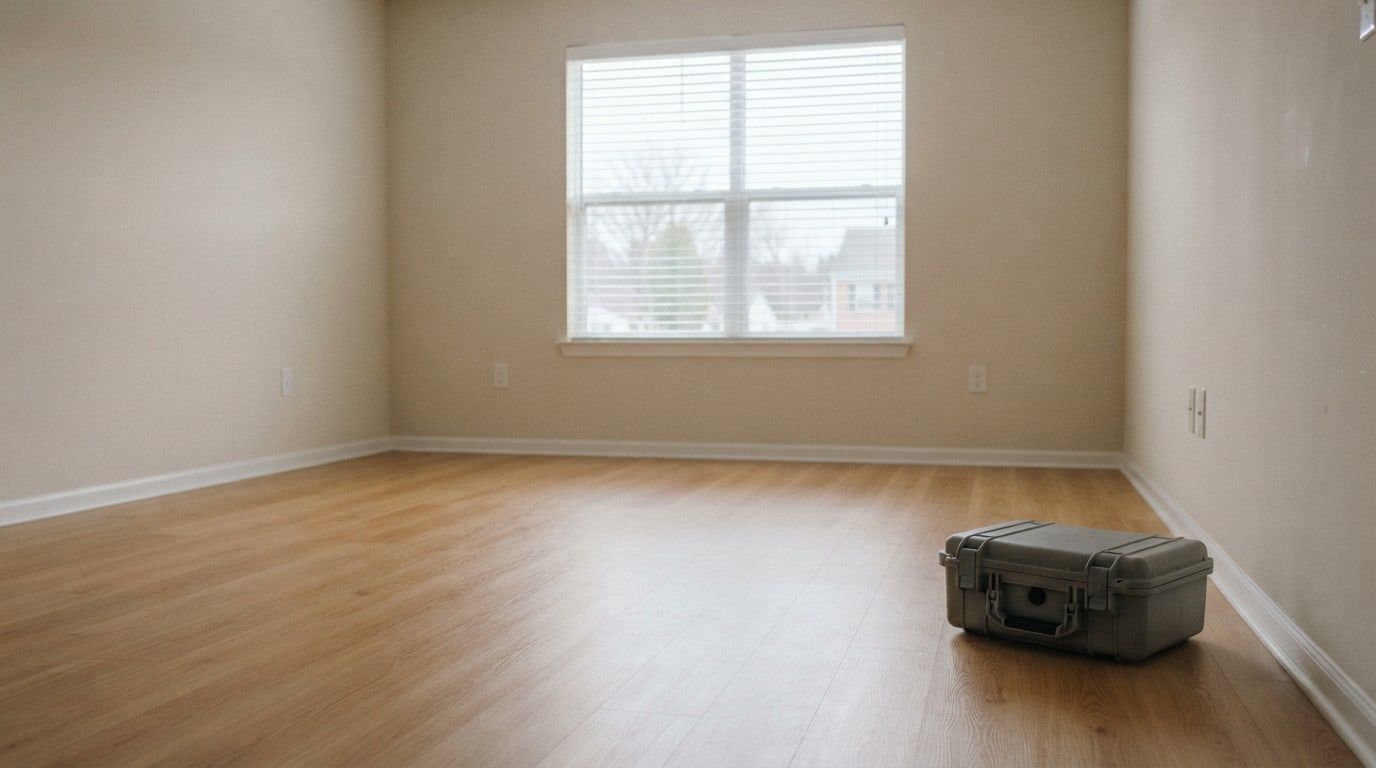
Riverside Bio Clean arranges drug residue decontamination for rental homes, apartments, motel rooms, houses being sold and vehicles across Riverside County and San Bernardino County. Cleanup companies take wipe samples for lab testing, remove contaminated carpet and soft furnishings, wash walls, ceilings and ductwork, and retest until surfaces meet the target level. Landlords and buyers are the most common callers, often after a tenant has left or an inspection has raised a question.
Properties and situations covered
- Rental turnover
- A tenant has left and there are signs of smoking or drug use. Test before re-renting, so the next household is not exposed.
- Buying or selling
- A pre-purchase test gives a buyer, seller or lender a documented result instead of an argument.
- Motels and short stays
- Rooms tested and decontaminated after suspected use, so they can go back into service with a lab report on file.
- Vehicles
- Cars and trucks used for smoking or transport, tested before resale or return to a fleet.
- Lab sites under order
- Properties where drugs were made or stored, cleaned to the state standard under the oversight of the local health officer.
- After an arrest or search
- Owners and relatives cleaning up after a police search, where residue and damage need to be dealt with together.
California's cleanup standard, and when it applies
California's Methamphetamine or Fentanyl Contaminated Property Cleanup Act, in the Health and Safety Code from section 25400.10, sets the numbers. A property is considered safe to reoccupy when meth on indoor surfaces is at or below 1.5 micrograms per 100 square centimeters. For fentanyl there is no numeric figure: surfaces must test below the detection level. The act took its current name, adding fentanyl, on January 1, 2020.
Lab sites
The act covers properties where the drugs were made or stored. Once law enforcement notifies the local health officer, a warning is posted, the property is inspected, and it cannot be reoccupied until cleanup meets the standard. Anyone assessing or cleaning it must have Cal/OSHA hazardous waste operations (HAZWOPER) training.
Homes where drugs were only used
Smoking meth or fentanyl in a home does not bring it under the act, so there is no state order and no mandated cleanup. Owners still test, because residue affects the next occupants. Asking for work to the same 1.5 microgram figure gives everyone a clear, defensible target.
Testing before and after decontamination
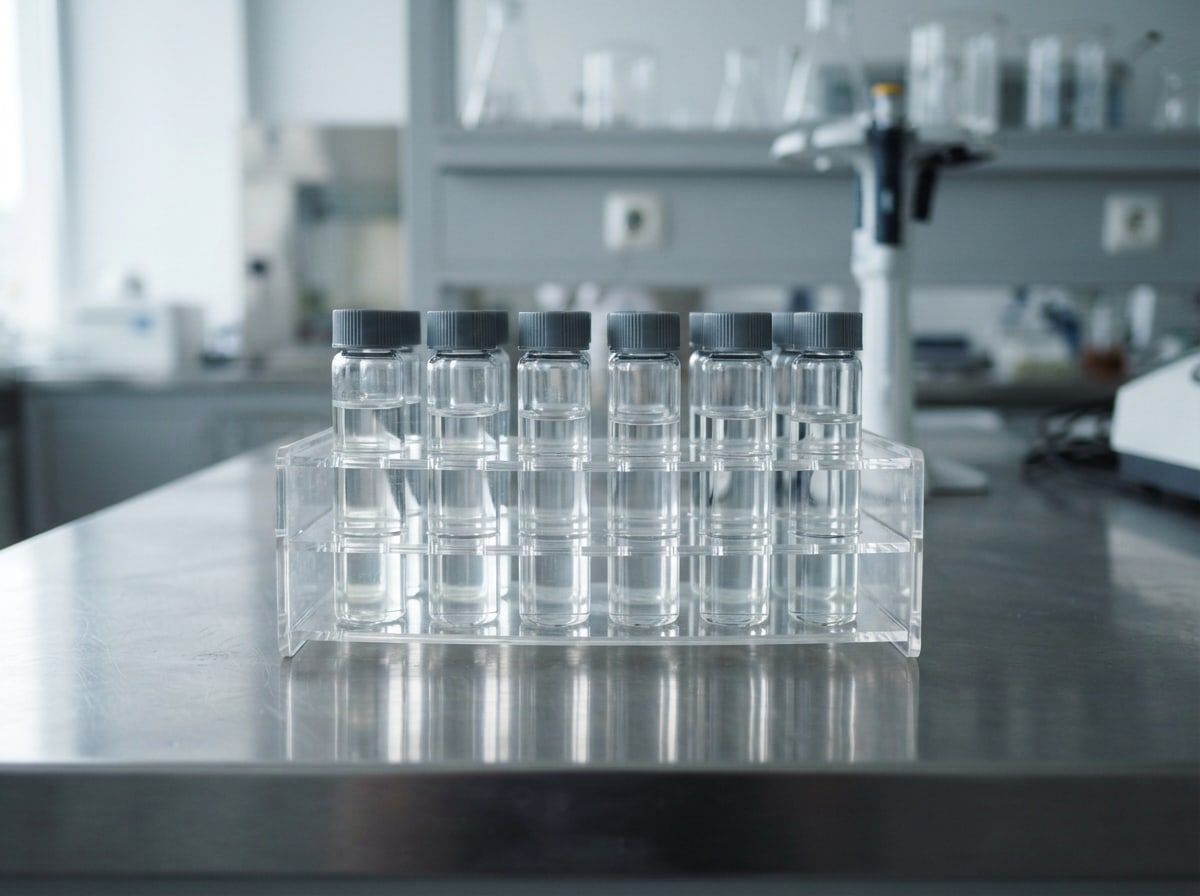
Testing comes twice. The first round, before any cleaning, tells you whether there is a problem and which rooms or systems are affected, which keeps the scope and the price honest. Samples are taken by wiping measured areas of wall, ceiling and HVAC surfaces and sent to a lab, which reports the result in micrograms per 100 square centimeters.
The second round, after cleaning, is the clearance test. It should sample the same areas and show every result at or under the target. Keep the lab reports: they are what you show a tenant, a buyer or a lender.
What decontamination involves
- Removing carpet, pad, curtains and soft furniture, which hold residue and are not worth cleaning
- Washing walls, ceilings, doors and fixtures, often more than once, working top to bottom
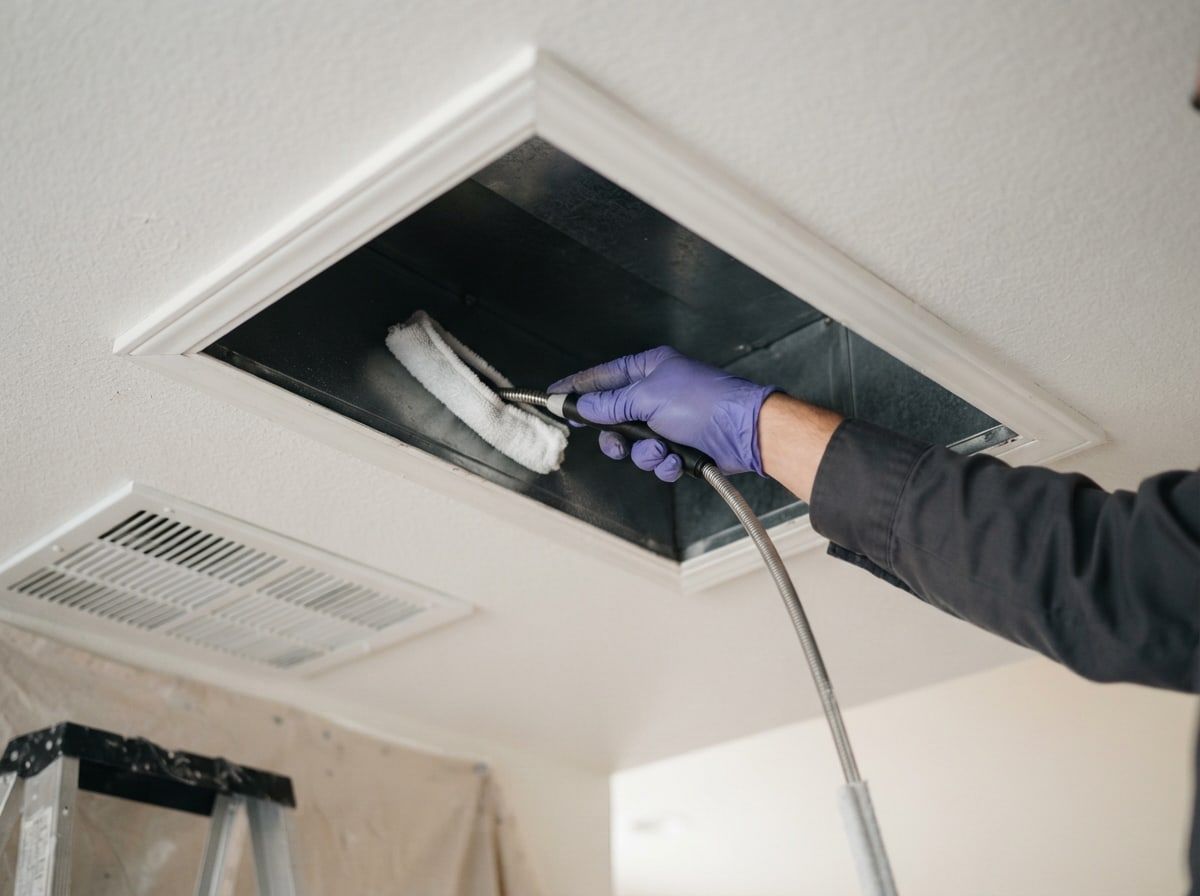
- Cleaning or replacing HVAC ducts and filters, which spread residue through the whole unit
- Cleaning cabinets, appliances and plumbing traps, where residue collects at lab sites
- Sealing surfaces only after clearance testing shows they are clean
Vehicles
Cars used for smoking or transporting drugs are tested the same way. Headliners, seats and ventilation systems hold residue, and some vehicles cost more to decontaminate than they are worth. Test first, then decide.
Cost
We could not find a neutral published source for drug residue testing and decontamination prices, only figures from companies that sell the service, so we do not quote a range. Ask for testing and remediation priced as separate lines, and ask what happens to the price if the clearance test fails. General cleanup price ranges are in the biohazard cleanup cost guide.
Health department contacts
At a lab site, the local health officer, or the agency it delegates to, runs the process. In San Bernardino County, Environmental Health Services is on (800) 442-2283. In Riverside County, contact the county Department of Environmental Health. Landlords with a use-only unit may want to read the property managers page too.
Meth and fentanyl residue questions
Can you see or smell meth or fentanyl residue?
Not reliably. Heavy meth smoking can leave yellow staining and a chemical smell, but a home can look and smell normal and still test high. Fentanyl residue is invisible. Only lab analysis of wipe samples tells you what is there.
Is there a legal limit for meth residue in a home where it was only smoked?
Not under the state cleanup act, which covers properties used as a lab to make or store the drugs. For use-only homes there is no state-mandated cleanup, but you can ask for testing and cleanup against the same figure the law uses for labs, 1.5 micrograms per 100 square centimeters, so you have a clear target.
Can I paint over meth residue?
Painting over residue without cleaning first traps it under the new coat, and it can still transfer to people and pets. Proper decontamination cleans the surfaces, tests them, and only then seals or repaints.
Who should do the testing?
Ideally someone independent of the company doing the cleanup, so the clearance test is not graded by the same people who did the work. At minimum, ask for the lab report itself, not just a summary.
Sources
- Health and Safety Code section 25400.16 (meth and fentanyl cleanup standards)
- Health and Safety Code section 25400.11 (definitions)
- San Bernardino County Environmental Health Services: contact
Sources checked September 28, 2026. Rules and amounts change; confirm with the agency before relying on them.